
Inspiration & Financial Wellness

Mindful money tips, gentle reminders, and real stories to help you build a life of freedom, confidence, and financial peace.

5 Budgeting Habits That Changed My Financial Life
BUDGETING

5 Budgeting Habits That Changed My Financial Life

April 12, 2025

Small, consistent habits create lasting change. Here are five practices that helped me build a budget I actually stick to.

Budgeting isn't about restriction — it's about giving every dollar a purpose. The habits below are the ones that finally made my budget feel sustainable instead of stressful.

1. Do a weekly money date. Fifteen minutes every Sunday to review spending, reconcile accounts, and look ahead at the week.

2. Pay yourself first. Automate savings on payday before any other bill so progress happens without willpower.

3. Use cash envelopes (or digital ones) for the categories where you tend to overspend the most.

4. Track joy, not just expenses. Note which purchases actually made your life better — and which ones didn't.

5. Celebrate small wins. Every paid-off card, every funded goal, every no-spend week deserves a tiny ritual.
How to Build a Sinking Fund That Actually Works
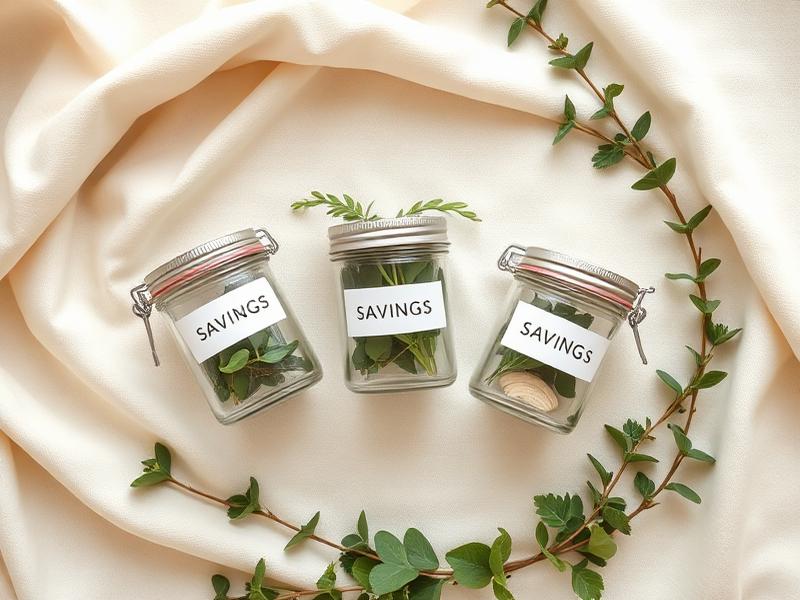
SAVINGS

How to Build a Sinking Fund That Actually Works

April 5, 2025

Sinking funds make irregular expenses feel manageable. Learn how to set them up and watch financial stress melt away.

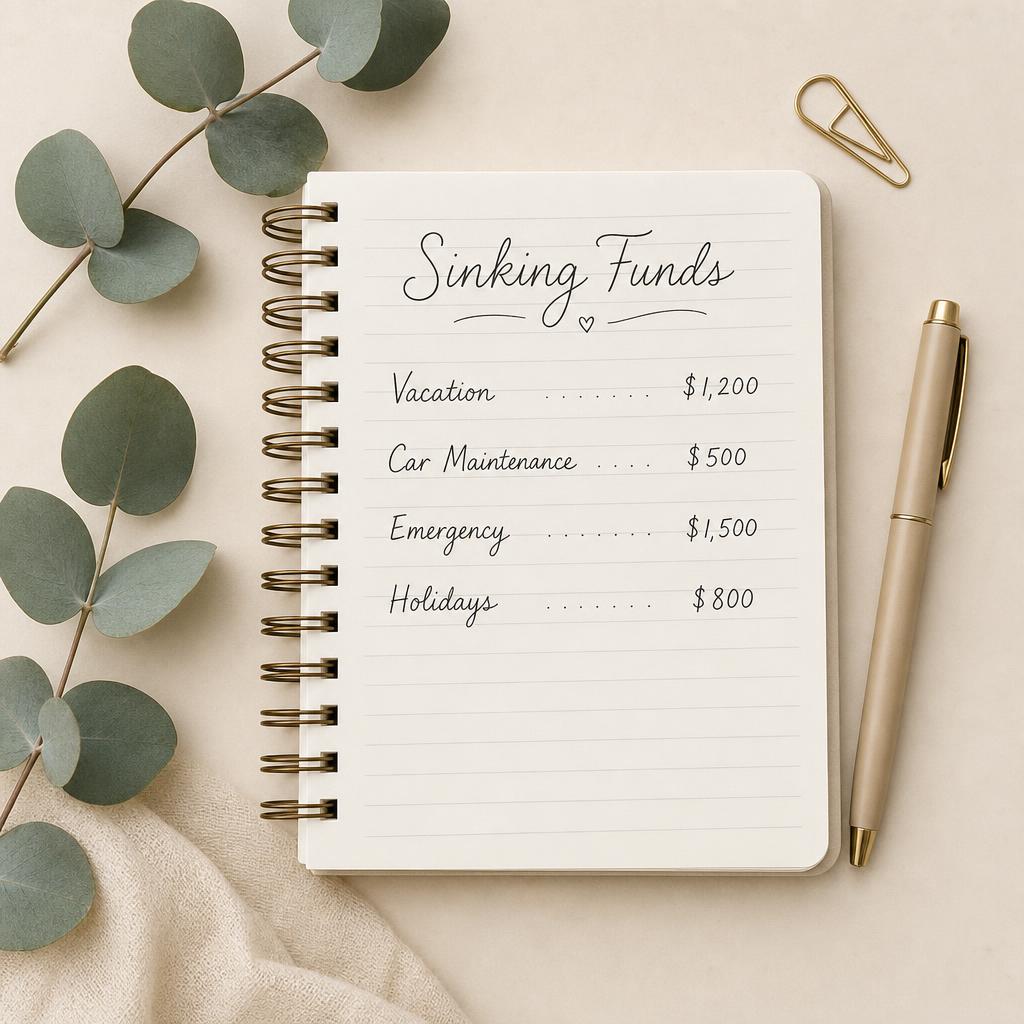
A sinking fund is just a savings bucket for a known future expense — car maintenance, holidays, annual subscriptions. The magic is in dividing a big number into small monthly contributions.

Start by listing every irregular expense from the last 12 months. Total each category, divide by 12, and that's your monthly contribution.

Keep sinking funds in a high-yield savings account, separate from your everyday checking. Out of sight, but never out of reach.

When the expense hits, you simply transfer the money in — no panic, no credit card, no guilt.

The Mindset Shifts That Helped Me Save More
MINDSET

The Mindset Shifts That Helped Me Save More

March 28, 2025

Money is emotional. These mindset shifts changed my relationship with spending and saving for good.

Saving is 80% mindset and 20% math. Until I addressed the stories I was telling myself about money, no spreadsheet stuck.

Shift one: from scarcity to enough. There is always enough for what truly matters.

Shift two: from deprivation to alignment. Saying no to one thing is saying yes to something bigger.

Shift three: from perfection to consistency. Imperfect progress beats a perfect plan you never start.

Savings Challenge: Build Momentum and Watch Your Savings Grow
SAVINGS CHALLENGE

Savings Challenge: Build Momentum and Watch Your Savings Grow

March 20, 2025

A simple, joyful challenge to kickstart your savings habit — even if you've never been able to save before.

Savings challenges work because they turn a hard habit into a tiny game. Instead of vague intentions, you have a clear weekly target you can actually hit.

Try the 52-week challenge: save $1 in week one, $2 in week two, all the way up to $52. By the end of the year, you'll have over $1,300 set aside — without ever feeling the pinch.

Prefer something gentler? Round up every purchase to the nearest dollar and sweep the difference into savings. Small drops fill a big bucket.

The point isn't the dollar amount. It's proving to yourself that you can save — consistently, joyfully, on purpose.

Sinking Funds: Plan Ahead for the Things That Matter Most
SINKING FUNDS

Sinking Funds: Plan Ahead for the Things That Matter Most

March 15, 2025

Stop letting birthdays, car repairs, and holidays catch you off guard. Sinking funds turn surprises into plans.

A sinking fund is a savings category dedicated to one specific upcoming expense. Holidays. Insurance premiums. A weekend away.

List every non-monthly expense you can think of. Christmas, birthdays, car registration, vet visits, school supplies. Add them up.

Divide each annual total by 12 and contribute that amount every month. When the expense arrives, the money is already there.

Sinking funds remove the emotional weight of 'unexpected' expenses — because almost nothing is truly unexpected. You just hadn't planned for it yet.

Low Priority Spending: Make Space for What Truly Matters
LOW PRIORITY SPENDING

Low Priority Spending: Make Space for What Truly Matters

March 8, 2025

Most budgets fail because they ignore the small stuff. Here's how to gently audit low-priority spending without shame.

Low priority spending isn't bad spending — it's just spending that doesn't move the needle on the life you actually want.

Pull up the last 60 days of transactions and highlight every purchase under $20. Notice the patterns without judgment.

Ask one question of each line: did this bring me joy, ease, or growth? If the answer is no three times in a row, that category is a great place to trim.

Redirect what you reclaim toward a goal that lights you up. You're not cutting back — you're trading up.

High Priority Goals: Focus Your Money on the Life You Want
HIGH PRIORITY GOALS

High Priority Goals: Focus Your Money on the Life You Want

March 1, 2025

Big goals feel scary until you give them a number and a date. Here's how to fund the dreams that matter most.

A high priority goal is something you'd be heartbroken to look back on and realize you never funded. A home. Time off. A career change. Freedom.

Name the goal in one sentence and attach a number to it. Vagueness is the enemy of progress.

Divide the total by the number of months until your target date. That's your monthly contribution — non-negotiable, automated, and protected.

When competing wants show up, gently remind yourself: I'm already spending this money on something I love.